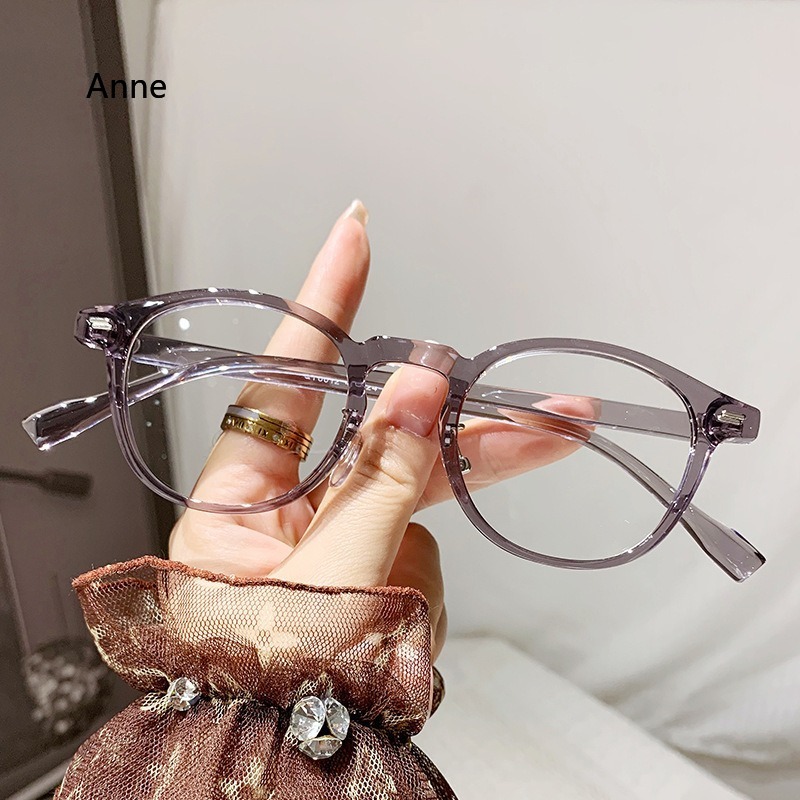
I used to think buying reading glasses was straightforward. Just pop into a pharmacy, pick up a pair, and you're done. How wrong I was. For two years, I put up with cheap, poorly made frames. They seemed to break if I so much as glanced at them the wrong way, and they gave me constant headaches whenever I worked on the computer.
All told, I wasted nearly $150 over a year and a half. That includes the cost of the glasses, shipping for urgent replacements, and money lost on so-called "express delivery" schemes. If you're tired of throwing cash at flimsy readers that let you down at the worst possible moment, you'll want to hear my story.
I learned the hard way that quality is an investment that pays off. Looking back, I wish I had known a few simple rules before I started buying cheap frameless reading glasses.
My first mistake was shopping based on price alone. When reading glasses cost $5 or $10, they're made from the cheapest materials available. The lenses scratch if you look at them too hard, and the hinges are made of fragile plastic that snaps off without warning.
I kept convincing myself I was getting a bargain. But I wasn't. I was buying a disposable product that lasted maybe two months before needing replacement. That's the trap—they make them so inexpensive that you don't think twice about buying another pair immediately.
I should have paid closer attention to the materials. If the description doesn't mention "glassware" or specify a durable frame material, you can assume it will fall apart quickly.
Verdict: Stop buying the cheapest option. If you're replacing your glasses more than twice a year, you're actually losing money. Invest in sturdy materials that are built to last.
My second big regret involved companies that outright lied about their service. After my main pair broke, I needed a new one urgently. I paid extra for "express shipping," which turned out to be a massive mistake.
Later, I read reviews that confirmed my experience was far from unique. One customer's story perfectly captured the frustration:
This is completely unacceptable. When you need clear vision for work or driving, you can't afford to wait three weeks. These companies take your money for faster shipping and then deliver nothing. I learned that express shipping promises are often a scam if the company is disorganized and doesn't value its customers.
Action Step: Always check customer photos and reviews regarding delivery times. Never take the shipping estimates on a company's website at face value.
This regret is personal—it's about my health. I spend hours every day looking at screens: my computer, phone, and tablet. I started getting terrible headaches by the end of the workday and assumed I just needed a stronger prescription. The real issue was the complete lack of protection in my cheap reading glasses.
With inexpensive glasses, you typically get plain lenses. They don't filter the blue light emitted by digital screens, which is a major cause of eye strain, dryness, and those pounding headaches.
If you're buying glasses for computer use, a blue light filter isn't a luxury—it's essential. It's necessary protection for your eyes, especially as presbyopia becomes more noticeable.
Before I found the right product, I also ignored sizing details. I never measured the frame width or lens height, just hoping they would fit. This resulted in glasses that pinched my temples or constantly slid down my nose.