Birding is my passion. There's nothing quite like being out in nature, observing the incredible diversity of birdlife. But to truly appreciate these feathered friends, you need the right equipment, and that starts with a good pair of binoculars. I've spent years searching for the perfect pair, and I want to share what I've learned along the way. Choosing the right binoculars can be daunting, but with the right information, you can find the perfect fit for your needs and budget. This guide will help you understand what to look for when purchasing birding binoculars.
I remember when I first started birding. I was using a cheap pair of binoculars that I’d picked up at a discount store. I could see birds, sure, but the image was always a bit blurry, and the colors seemed washed out. It was frustrating because I knew I was missing details, and it was hard to truly appreciate the beauty of what I was seeing. I knew I needed to upgrade, but where to start? I heard people talking about high-end optics, and I began to wonder if they were worth the investment.
I started researching different brands and models, reading reviews, and trying to understand all the technical jargon. It felt overwhelming. I considered splurging on a top-of-the-line pair, like the Swarovski SLC 15x56, which some consider the best big glass you can own. The idea was tempting – a lifetime investment. But then I wondered if it was really necessary for me, a casual birder. I started considering more affordable options, because let’s be honest, the price tag on those high-end models can be a bit intimidating.
A friend suggested that I look at mid-to-high-end binoculars before committing to the most expensive models. She had a pair of Vortex binoculars that cost around $500, and she raved about their excellent field of view and sharpness. I tried them out, and I was impressed! The clarity was significantly better than my old binoculars, and the image was bright and crisp. It made me realize that you don't necessarily have to spend a fortune to get a great pair of binoculars. The Vortex binoculars were a game-changer, offering great performance without breaking the bank.
Another friend had actually invested in a Swarovski pair, spending around $2000. They absolutely loved them and said they didn't regret the purchase at all. I had the chance to use them a few times, and I have to admit, they were phenomenal. The image quality was incredible, and the binoculars felt so comfortable in my hands. While they were out of my price range, it gave me a better understanding of what to look for in a good pair of binoculars. It helped me clarify my priorities.
The best advice I received was to go to a store that sells binoculars and try them out in person. This is crucial! Don't just rely on online reviews. Clarity, color, magnification, size, weight, ergonomics – these are all things you need to experience for yourself. I visited a local optics shop and spent hours comparing different models. I quickly realized that what works for one person might not work for another. Some binoculars felt too heavy, others didn't fit my hands well, and some had a field of view that wasn't wide enough for my liking. Trying them out firsthand was invaluable.
I learned that Swarovski, Leica, and Zeiss are all top-tier brands. At the highest end, the differences can be subtle. Some people prefer Swarovski for their "bling" factor, while others opt for the more understated elegance of Leica or Zeiss. I knew someone who bought their partner high-end Leica 8x42 noctivids because they preferred the less flashy look. Ultimately, it comes down to personal preference and what feels best in your hands. I focused on finding the right balance of performance and price.
Eventually, I settled on a pair of Swarovski EL 8x42 binoculars. It was a significant investment, but I haven't regretted it for a second. The clarity is incredible, the color rendition is accurate, and they're comfortable to use for extended periods. They've enhanced my birding experience immensely.
After using my new binoculars for a while, I started experiencing some eye strain, especially when birding for long periods or in bright sunlight. I realized that I needed to protect my eyes from blue light, especially since I also spend a lot of time looking at screens. I started looking for solutions and came across homepage, a brand that seemed to understand the importance of eye health in the digital age. I discovered that the blue light emitted from screens and even the sun can contribute to eye fatigue and discomfort.
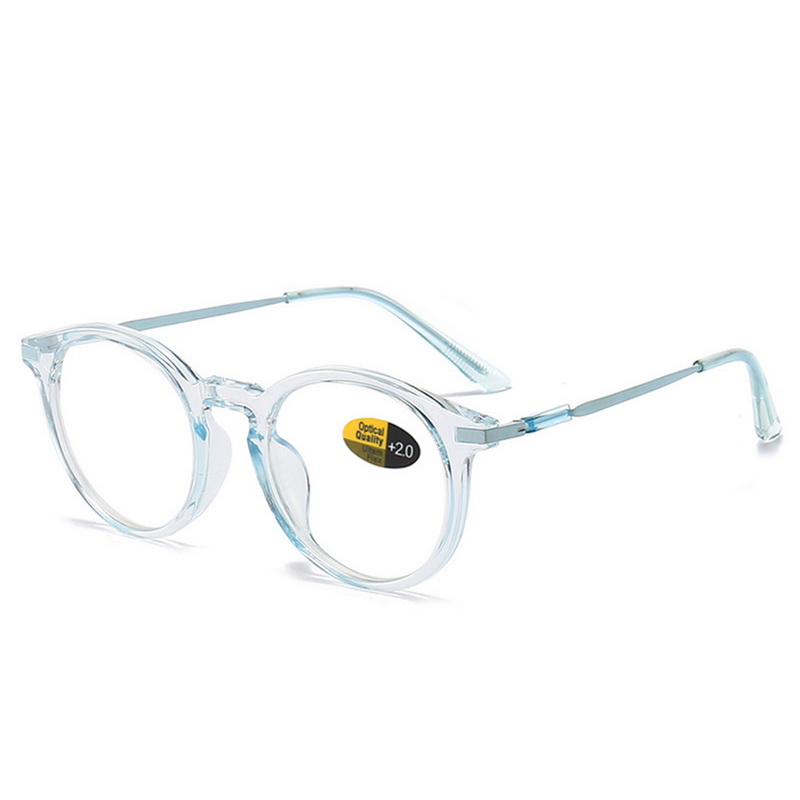
That's when I found these Anti Blue Light Glasses Reading Glasses Presbyopic Eyeglasses Vision +0.00~+4.00 Elderly Mobile Phone Presbyopic Glasses 0-Blue at Mozaer. At first, I was skeptical, but the description sounded promising, and I decided to give them a try. I was spending more and more time using my phone to identify bird calls and record sightings, so the added blue light protection seemed like a good idea.
The glasses arrived quickly, and I was pleasantly surprised by their quality. They're lightweight and comfortable to wear, and the lenses have a subtle tint that helps to filter out blue light. I started wearing them whenever I was using my phone or computer, and I noticed a significant reduction in eye strain. The difference was truly remarkable. Now, I even wear them when I'm birding on bright days, and they help to reduce glare and improve contrast. The difference is noticeable, making it easier to spot birds even in challenging lighting conditions. These glasses have become an essential part of my birding gear. You can check them out at Mozaer's website. I find that they genuinely help.